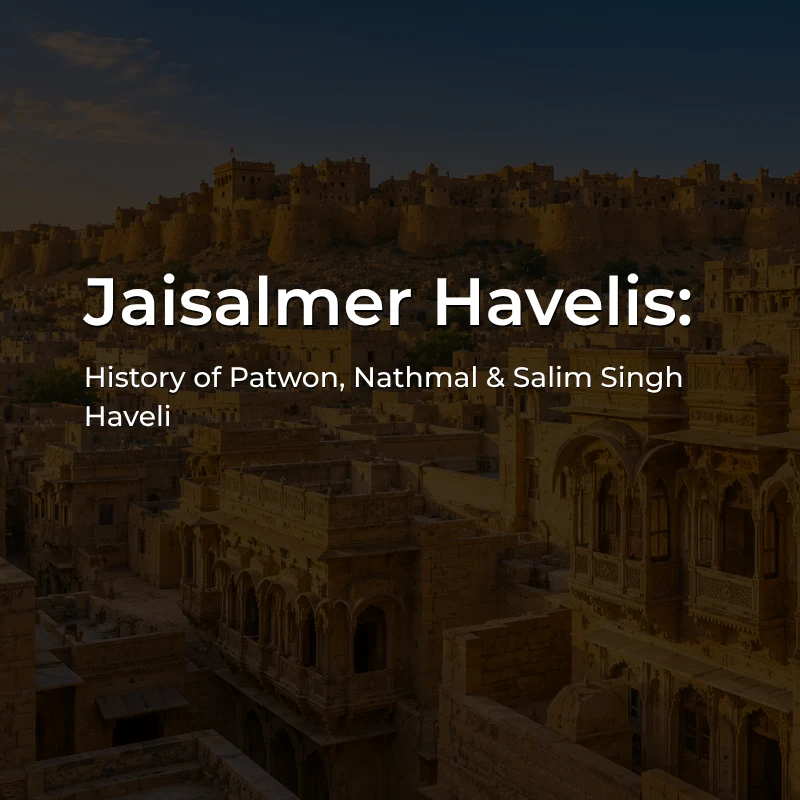
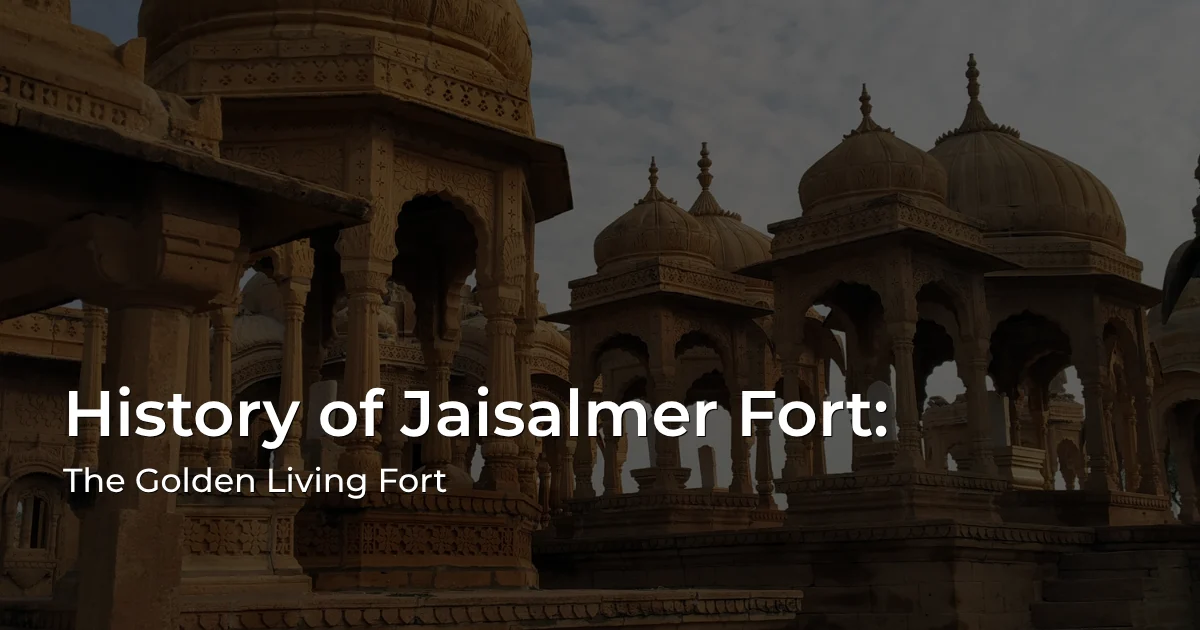
Standing proudly on Trikuta Hill, Jaisalmer Fort is one of India's remarkable architectural wonders. Built from golden-yellow sandstone, the fort glows in the morning and evening sunlight, giving Jaisalmer its famous nickname, the Golden City.
Unlike many historic forts in India, Jaisalmer Fort is a living fort where residents still live and work within its ancient walls. Narrow lanes, temples, traditional homes, shops, cafés, and guesthouses continue to operate inside the fort.
Whether you are a history enthusiast, photographer, or first-time visitor, exploring this historic landmark is an important part of a Jaisalmer trip. This guide from Dune X Travel covers its history, architecture, attractions, and travel tips. For more trip-planning information, explore our Jaisalmer Travel Guide.
Quick Facts About Jaisalmer Fort
| Feature | Details |
|---|---|
| Built In | 1156 AD |
| Founder | Rawal Jaisal |
| Location | Trikuta Hill, Jaisalmer |
| Material | Golden-yellow sandstone |
| Height | Approximately 76 meters (250 feet) |
| Nickname | Sonar Quila / Golden Fort |
| UNESCO Status | Part of the Hill Forts of Rajasthan UNESCO World Heritage Site |
| Famous For | Living fort and historic architecture |
Jaisalmer Fort History
The history of Jaisalmer Fort begins in 1156 AD, when Rawal Jaisal, a Bhati Rajput ruler, established his new capital on Trikuta Hill.
Foundation of the Golden Fort
According to local tradition, a sage advised Rawal Jaisal to establish his kingdom on the hill. The elevated location provided strategic advantages and views of the surrounding desert.
Jaisalmer and the Ancient Trade Routes
Jaisalmer grew in importance because it was located along ancient trade routes connecting India with Central Asia and the Middle East.
Merchants traveling across the Thar Desert traded silk, spices, precious stones, textiles, and other goods. As the city became prosperous, wealthy merchants and rulers built impressive palaces, temples, and havelis.
The sandstone craftsmanship that developed during this period is also reflected in Jaisalmer Golden Architecture.
Why Is Jaisalmer Fort Called the Golden Fort?
The fort was built using locally quarried golden-yellow sandstone. When sunlight falls on the stone, the walls appear to change from yellow to golden and amber shades.
Names of the Fort
The historic landmark is commonly known as:
- Golden Fort
- Sonar Quila
- Sonar Kella
- Golden Crown of Rajasthan
Why Is Jaisalmer Fort a Living Fort?
Unlike forts that mainly function as museums or monuments, this fort continues to be part of everyday life in the city.
Life Inside the Fort
Visitors can find:
- Traditional Rajput homes
- Jain temples
- Rooftop cafés
- Boutique hotels
- Handicraft shops
- Restaurants
- Local families
Walking through the lanes gives visitors an opportunity to see how history and modern life exist together.
Jaisalmer Fort Architecture
The fort is known for its Rajput architecture and detailed sandstone craftsmanship. Its defensive design is combined with decorative balconies, windows, temples, and royal buildings.
For more information about Jaisalmer's historic residential architecture, explore our Jaisalmer Havelis guide.
Architectural Highlights
- Massive sandstone walls
- 99 bastions
- Four historic entrance gates
- Jharokhas and carved balconies
- Narrow winding streets
- Intricate windows
- Royal palaces
- Ancient temples
Four Entrance Gates
Visitors enter the fort through a sequence of historic gateways.
Akhai Pol
Akhai Pol is one of the main entrances to the historic complex.
Suraj Pol
Suraj Pol is associated with the rising sun and receives morning sunlight.
Ganesh Pol
Ganesh Pol is named after Lord Ganesha and was traditionally regarded as an auspicious gateway.
Hawa Pol
Hawa Pol is the final gateway leading toward the heart of the fort.
Must-See Attractions Inside the Fort
Several historic buildings and religious sites can be explored within the fort complex.
Raj Mahal
The former royal palace features courtyards, galleries, balconies, and architectural details associated with the Bhati rulers.
Jain Temples
The Jain temples are known for their detailed carvings and historic importance. Visitors should dress modestly and follow temple customs.
Laxminath Temple
Dedicated to Lord Vishnu and Goddess Lakshmi, Laxminath Temple remains an active place of worship.
Rooftop Cafés
Several rooftop cafés provide views of Jaisalmer's golden skyline. They are popular places to relax after exploring the historic streets.
Exploring the Fort Throughout the Day
The appearance of the sandstone changes with the sunlight. Therefore, different times of day offer different views.
Morning Views
Soft morning sunlight highlights the golden sandstone and can provide good conditions for photography.
Sunset Views
During sunset, the walls can appear in warm golden and amber tones, creating an impressive view of the city.
Night Views
After dark, the illuminated fort creates a different atmosphere and can be interesting for night photography.
Best Time to Visit Jaisalmer Fort
October to March is generally a popular period for exploring Jaisalmer because the weather is more comfortable for walking and sightseeing.
Best Time of Day
Early Morning
Visit between 8:00 AM and 10:00 AM for cooler temperatures and potentially fewer visitors.
Late Afternoon
Late afternoon is a good time to explore the fort before enjoying the changing light around sunset.
Jaisalmer Fort Travel Tips
A few simple preparations can make your visit more comfortable. For additional practical advice, see our Jaisalmer Travel Tips guide.
Tips for Visitors
- Wear comfortable walking shoes.
- Carry drinking water.
- Protect yourself from the sun during warmer months.
- Respect local residents.
- Dress modestly when visiting temples.
- Support local artisans by purchasing authentic crafts.
- Avoid littering inside the historic area.
Places to Visit Near Jaisalmer Fort
After exploring the fort, you can add several nearby attractions to your itinerary.
Nearby Attractions
- Patwon Ki Haveli
- Salim Singh Ki Haveli
- Nathmal Ki Haveli
- Gadisar Lake
- Bada Bagh
- Sam Sand Dunes
- Kuldhara Village
These places can be included in a one- or two-day Jaisalmer sightseeing plan.
Frequently Asked Questions About Jaisalmer Fort
Why Is Jaisalmer Fort Called a Living Fort?
Jaisalmer Fort is called a living fort because people still live and work within its historic walls. Homes, temples, shops, cafés, and guesthouses continue to operate inside the fort.
How Much Time Should I Spend at Jaisalmer Fort?
Most visitors can spend around 2–4 hours exploring the fort. The time may vary depending on whether you visit the temples, palace, cafés, shops, and surrounding streets.
Is Jaisalmer Fort Suitable for Children?
Yes. Families can explore the architecture, historic streets, temples, and local shops. Comfortable footwear is recommended because some pathways are uneven.
Can I Take Photographs Inside Jaisalmer Fort?
Photography is generally possible in public areas. However, some temples, museums, and private properties may have specific rules or photography charges. Always check local instructions before taking photographs.
External Resources
For official tourism information about Rajasthan, visit Rajasthan Tourism.
For heritage information about the Hill Forts of Rajasthan, including Jaisalmer Fort, see the UNESCO World Heritage Centre